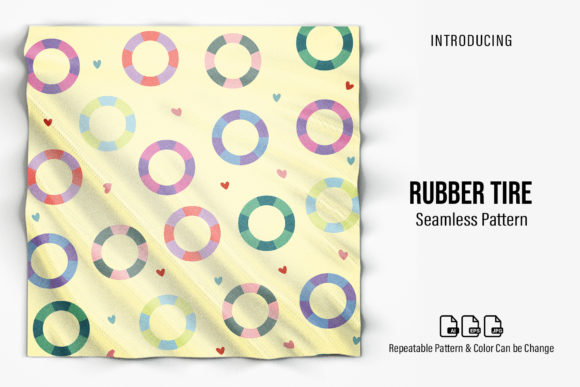
The Art and Utility of Rubber Tire Patterns in Digital Design
When you think of a rubber tire, what comes to mind? Perhaps the hum of a car on asphalt, the grip of a bicycle on a winding trail, or the sturdy reliability of industrial machinery. But there is another side to tire treads—one that creative professionals, crafters, and designers have come to admire: their pattern. Rubber tire patterns are not just functional; they are a rich design resource. From the chevron ridges of an off-road tire to the straight ribs of a highway tire, these textures carry a unique visual language. This article explores the fascinating world of rubber tire patterns, their significance in design, and how a digital paper set featuring these patterns can elevate your creative projects.
Whether you are making greeting cards, decorating a party, or designing a wallpaper, rubber tire patterns offer an unexpected yet versatile aesthetic. Let’s dive into what makes these patterns so compelling and how you can use them in your own work.
What Are Rubber Tire Patterns?
At their simplest, rubber tire patterns are the repeating geometric and organic shapes molded into the surface of a tire. These treads are designed for traction, water dispersal, and durability. However, from a visual design perspective, they are a goldmine of texture, rhythm, and contrast.
Common tire tread motifs include:
- Rib patterns – continuous straight or slightly curved lines that run around the tire.
- Block patterns – individual raised segments that create a rugged, off-road look.
- Asymmetric patterns – complex, non-mirrored designs that provide both handling and style.
- Directional patterns – V-shaped or chevron arrangements that channel water away.
Each of these motifs translates beautifully into repeatable digital patterns that can be used in countless ways. The rubber tire pattern is a perfect example of how industrial design can inspire graphic design—a crossover that feels both modern and timeless.
The Significance of Tire Patterns in Design History
Tire treads are not a modern invention. The first pneumatic tire, created by John Boyd Dunlop in 1887, had a smooth surface. It wasn’t until the early 1900s that treads were added to improve grip on muddy or wet roads. Since then, tire patterns have evolved in complexity and beauty, becoming an icon of movement, strength, and innovation.
In design, tire patterns were initially used in industrial contexts—think floor mats, conveyor belts, and packaging. But in the last two decades, they have found a new home in digital and paper crafts. The reason is simple: tire patterns provide a grounded, tactile feel that balances the sleekness of modern graphics. They evoke adventure, travel, and ruggedness, making them ideal for masculine, outdoor, or vintage-themed projects.
Introducing the Rubber Tire Patterns Digital Paper Set
Imagine having a library of high-resolution, repeatable tire patterns at your fingertips—ready to use in any project. That is exactly what the Rubber Tire Patterns digital paper set offers. Designed for crafters, graphic artists, and DIY enthusiasts, this collection brings the texture of real tire treads into your digital workspace.
Here is what makes this set stand out:
- Size: Each pattern is 1000 x 1000 pixels at 300 dpi, ensuring crisp prints and sharp digital displays.
- High Resolution: Professional-grade clarity suitable for both small tags and large wallpapers.
- Repeatable: Every pattern tiles seamlessly, so you can fill any area without visible joints.
- Color Customization: The colors can be easily changed, allowing you to match any theme or brand.
The ZIP file includes three versatile formats:
- EPS file – scalable vector format for professional design software.
- AI file – native Adobe Illustrator file for deep editing.
- JPG file – ready-to-use raster format for quick projects.
These files give you the flexibility to work in almost any design environment, from Adobe Creative Suite to free tools like GIMP or Canva. The patterns can be used as backgrounds, textures, or even as building blocks for more complex compositions.
Practical Applications: Where to Use Rubber Tire Patterns
The versatility of these patterns is remarkable. Because they are repeatable and color-changeable, they fit into a wide range of creative contexts. Below are some of the most popular and effective uses.
Greeting Cards and Invitations
Rubber tire patterns make excellent backgrounds for automotive-themed parties, travel-themed weddings, or adventure-inspired birthdays. A bold black-and-white tire tread pattern on an invitation card can signal a rugged, outdoorsy event. For a child’s car-themed party, bright red or blue tire patterns add a playful edge. The repeatable nature of the pattern ensures that even large cards or folded invitations maintain a professional finish.
Gift Wrapping and Tags
Gift wrapping is an area where patterns shine. A subtle tire tread pattern in a soft gray or metallic silver can elevate a simple gift box into something memorable. Pair it with a solid ribbon and a matching tag. Because the patterns are high resolution, they print beautifully on standard paper or cardstock. You can even use the EPS file to scale the pattern up or down depending on the size of your gift.
Party Accessories and Decorations
Cups, napkins, banners, and tablecloths—all can feature tire patterns to create a cohesive theme. For a racing or vehicle-themed party, the chevron and block patterns are especially effective. You can print the patterns on sticker paper to create custom cupcake toppers or use them as background for party signage. Because the colors are changeable, you can coordinate with existing party colors effortlessly.
Wallpaper and Large-Scale Projects
One of the most exciting uses of repeatable patterns is wallpaper design. Rubber tire patterns bring an industrial-chic vibe to home offices, garages, or even living rooms. A monotone gray or brown tire pattern can serve as a feature wall, while a more colorful version works as a playful accent in a child’s room. With 300 dpi resolution, the pattern remains sharp even when printed at large sizes.
Digital Projects and Social Media
Don’t limit these patterns to print. They are equally valuable for digital use. Use a tire pattern as the background for an Instagram story, a YouTube thumbnail, or a website hero section. The tactile quality of the pattern adds depth to flat digital interfaces, making them feel more grounded and engaging. Because the JPG files are ready to import, you can drop them directly into design tools like Photoshop, Canva, or Procreate.
How to Change Colors for Maximum Impact
Color customization is one of the most powerful features of this set. A single tire pattern can look entirely different depending on its palette. Here are some ideas to inspire you:
- Classic monochrome – Black or dark gray on white for a timeless, editorial look.
- Industrial neutrals – Khaki, olive, and brown for a vintage or military aesthetic.
- Bold accents – Bright red, electric blue, or lime green for a sporty or playful feel.
- Soft pastels – Pale pink, mint, or baby blue for a gentle, unexpected twist on a rugged pattern.
To change colors, you can use the AI or EPS file in vector editing software. Simply select the pattern elements and apply your desired color swatches. If you are using the JPG file, you can adjust hue and saturation in image editing software. This flexibility ensures that the same set can work for a baby shower, a corporate event, or a rock concert flyer.
Tips for Beginners: Getting the Most Out of Your Digital Paper Set
If you are new to using digital patterns, here are a few practical tips:
- Start with the JPG file if you are in a hurry or using a simple design tool. Just drag and drop it into your document.
- Use the EPS file for scalability. Vector files can be enlarged infinitely without losing quality, making them ideal for posters or wallpapers.
- Test the repeat before printing. While the pattern is designed to tile, it is always wise to preview the repeat at full size to ensure there are no visible seams.
- Layer the pattern with other elements. A tire pattern can be softened by placing a semi-transparent overlay of a solid color on top, or it can be used as a subtle watermark behind text.
- Mix and match with other textures. Combine tire patterns with wood grain, burlap, or metallic textures for a rich, dimensional look.
Clarifying Common Misunderstandings
One common assumption is that tire patterns are only for "masculine" or "industrial" projects. In truth, they are incredibly versatile. The same pattern that looks rugged in black can become delicate and whimsical in a soft pastel hue. Another misunderstanding is that repeatable patterns are difficult to use. With modern design software, and the included AI and EPS files, even a beginner can create seamless, professional results in minutes.
Finally, some might think that digital patterns lack the texture of real materials. While nothing beats the tactile feel of actual rubber, high-resolution digital patterns come very close—especially when printed on quality paper or fabric. The 300 dpi resolution in this set ensures that the treads look crisp and almost three-dimensional on screen and in print.
The Role of Tire Patterns in Modern Creativity
In a world where minimalism often dominates, tire patterns offer a welcome dose of texture and personality. They remind us that beauty can be found in the most functional objects. For educators, these patterns can be used in STEM activities to teach about friction, design, and engineering. For business owners, they offer a unique branding element that stands out from standard stock backgrounds. For hobbyists, they provide endless opportunities for exploration.
As more people turn to digital crafting and print-on-demand services, the demand for unique, high-quality patterns continues to grow. The Rubber Tire Patterns set fills a specific niche that is both niche and universally appealing. Whether you are a seasoned designer or a parent planning a birthday party, these patterns can help you create something memorable.
Conclusion
Rubber tire patterns are far more than the treads on your car. They are a design resource that combines function with art, history with modernity, and simplicity with complexity. With a digital paper set that offers high resolution, easy repeatability, and color flexibility, you can bring the texture of tire treads into any project—from small greeting cards to large wall murals.
The next time you are looking for a pattern that says strength, movement, or adventure, consider the humble rubber tire. With the right tools, it can become the foundation of your most creative work. Explore the set, experiment with colors, and see how this unexpected pattern can transform your next project.
Remember, the preview image is for display purposes only; the actual product includes the EPS, AI, and JPG files. No mockups are included, so your imagination is the only limit.