Thai Geometric Art Patterns: Timeless Design for Modern Creatives
Thai geometric art patterns offer a rich visual language that blends cultural heritage with contemporary design needs. Whether you are a graphic designer, textile artist, interior decorator, or someone simply looking to elevate your creative projects, these patterns provide a reliable foundation. They are not just decorative elements; they are practical tools that solve real design challenges. This article explores what Thai geometric art patterns are, why they are gaining attention, and how you can use them effectively in your work.
Understanding Thai Geometric Art Patterns
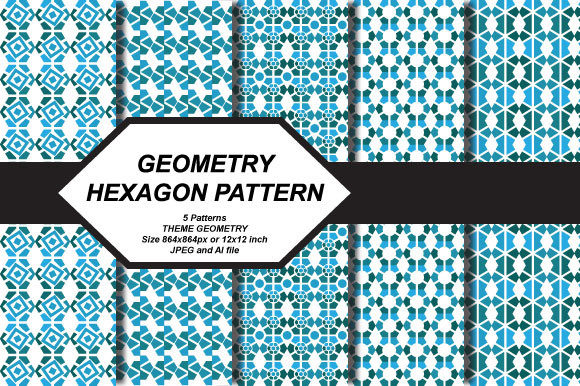
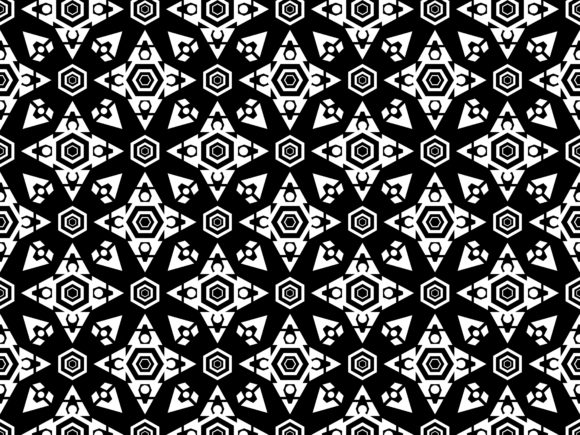
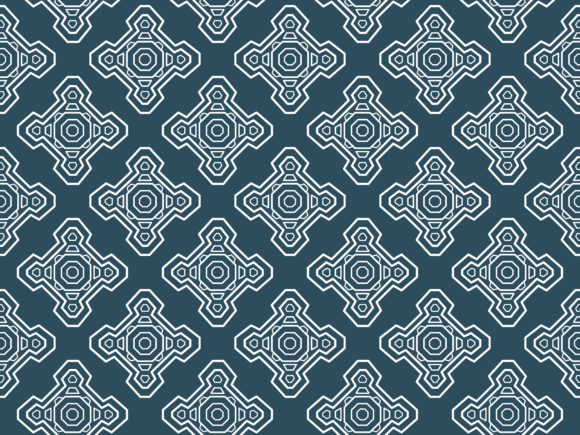
Thai geometric art patterns draw inspiration from traditional Thai motifs, temple art, and woven textiles. They typically feature repeating shapes such as diamonds, triangles, lotus forms, and interlocking lines arranged in symmetrical or rhythmic layouts. The style is known for its precision, balance, and ability to convey elegance without clutter. In modern vector illustration, these patterns are rendered in clean, scalable formats, making them useful for both digital and print applications.
One key characteristic of Thai geometric art patterns is their adaptability. They can be used as subtle backgrounds or bold focal points. The blue background variant, in particular, offers a calming yet striking aesthetic. Blue is associated with serenity, depth, and cultural significance in many Southeast Asian contexts. Combining geometric precision with this color choice makes the patterns suitable for a variety of settings, from home decor to corporate branding.
Why Designers and Creatives Turn to Thai Geometric Art Patterns
Every creative project comes with its own set of constraints. You may need a pattern that scales seamlessly across different media, prints cleanly at large sizes, or communicates a sophisticated cultural aesthetic. Many designers face the challenge of sourcing original, royalty-free patterns that do not look generic. Thai geometric art patterns address these needs directly.
- Scalability: With files available in 8000 x 8000 px JPG format, you have the resolution needed for large wallpaper prints, fabric runs, or carpet designs without pixelation.
- Editable vectors: The EPS file included in the zip works with Adobe Illustrator or Affinity Designer. You can adjust colors, resize elements, or combine patterns with other design assets without losing quality.
- Cultural authenticity: These patterns carry a sense of place and tradition. They help you create work that feels intentional and grounded, whether you are designing for a Thai-themed restaurant, a resort, or a global brand seeking an ethnic touch.
- Versatility: Because the patterns are geometric rather than overly literal, they work across contexts. A batik-inspired cloth can be used for clothing, a subtle blue pattern can wrap a gift box, and a bold repeat can cover a modern carpet.
By choosing Thai geometric art patterns, you bypass the need to create custom motifs from scratch. You gain a head start on projects where pattern development would otherwise take hours or days.
Practical Applications Across Industries
Thai geometric art seamless patterns are not limited to one medium. Their repeatable nature makes them ideal for areas where consistency and flow matter. Below are some common uses and how the patterns serve each purpose.
Wallpaper and Backgrounds
For interior designers and home decor enthusiasts, wallpaper is a powerful way to transform a space. Thai geometric patterns on a blue background add depth and structure to accent walls, feature panels, or entire rooms. The 8000 px resolution ensures crisp printing even on large surfaces. Because the pattern is seamless, you do not have to worry about visible joins or misalignment.
Fabric and Batik
Textile artists and fashion designers often need patterns that repeat without interruption. Thai geometric art patterns work well for batik-inspired prints, clothing, and accessories. The geometric shapes create visual interest without overpowering the garment silhouette. You can use the EPS file to adjust the scale of the pattern for different items—smaller repeats for shirts, larger ones for scarves or sarongs.
Clothing and Accessories
Whether you produce ready-to-wear clothing or custom pieces, pattern selection is critical. Thai geometric patterns offer a modern yet ethnic look that appeals to customers seeking unique designs. The blue background provides a neutral base that pairs well with natural fibers like cotton, linen, and silk. Because the vector file is editable, you can also change the background color to match your season’s palette.
Wrapping and Packaging
Gift wrapping products benefit from patterns that feel special without being overwhelming. A seamless Thai geometric pattern elevates the unboxing experience. Small businesses and artisan brands often use such patterns for wrapping paper, tissue wraps, or fabric gift bags. The high-resolution JPG is print-ready for both digital and offset printing.
Carpet and Flooring
For interior projects that require floor coverings, pattern repeat and durability are important. Thai geometric art patterns lend themselves well to carpet tiles, area rugs, and even vinyl flooring. The geometric structure helps disguise dirt and wear while adding a decorative layer. The EPS file allows you to test different color variations before finalizing the design.
How to Get Started with Thai Geometric Art Patterns
Once you have downloaded the zip file, you will find two main assets: a JPG image at 8000 x 8000 pixels and an EPS file. Here is how to use them effectively.
- Open the JPG for immediate use: You can import the JPG directly into design software like Photoshop, Canva, or any program that accepts raster images. Because it is a high-resolution file, you can resize it for most applications without losing quality. Use it as a background, a texture overlay, or a print-ready element.
- Edit the EPS in vector software: If you use Adobe Illustrator or Affinity Designer, open the EPS file to work with fully editable vector paths. You can change individual shapes, alter colors, adjust the repeat layout, or remove elements. This flexibility is essential if you need the pattern to match a specific brand or project style.
- Create seamless repeats: The pattern is already seamless, but you can customize the repeat size. In your vector software, you can modify the bounding box or the spacing between motifs. This is useful when you need a tighter or looser repeat for different products.
- Export for different media: Once you have made your changes, export the pattern in formats suitable for your project. For fabric printing, use a cmyk tiff or pdf. For digital backgrounds, use rgb png or jpg. For screen printing, use vector files with spot colors.
Tips for Making the Most of These Patterns
To get the best results from Thai geometric art patterns, consider a few practical recommendations.
- Test scale before printing: A pattern that looks good on screen may appear too large or too small when printed. Use your software to simulate the pattern at actual size before committing to production.
- Pair with solid elements: Because the geometric patterns are intricate, they work well when balanced with solid colors or minimal typography. In clothing design, use the pattern for a panel or accent rather than the entire garment to avoid visual fatigue.
- Combine with other textures: Layering a geometric pattern over a subtle texture (like linen or watercolor) can create depth. The EPS format makes it easy to set the pattern as a layer with transparency.
- Respect the cultural context: Thai geometric patterns often carry symbolic meaning. If you are using them in a commercial project, ensure that your application is respectful. Avoid distorting or misrepresenting the motifs in ways that may trivialize their origin.
Who Benefits from Thai Geometric Art Patterns?
Different users approach these patterns with varying goals. Understanding your own needs helps you use the files more effectively.
Graphic designers often need patterns that are ready to drop into branding materials, social media backgrounds, or website headers. The clean vector format allows them to customize colors and maintain brand consistency. They appreciate the high resolution for print projects like brochures and business cards.
Textile and fashion designers value the seamless repeat and the ability to scale motifs for different garment types. The blue background offers a versatile base that works for both men’s and women’s collections. The EPS file gives them the freedom to modify the pattern without starting from zero.
Interior decorators and home goods creators find the patterns useful for product lines such as throw pillows, curtains, and area rugs. The 8000 px JPG ensures that even large-scale printing yields sharp results. They can preview the pattern in room mockups before placing production orders.
Small business owners who wrap or package products can use the pattern to create a cohesive brand identity. A consistent pattern across wrapping paper, shopping bags, and tissue wrap builds recognition. The ease of use means they can generate professional-looking packaging without hiring a designer.
Hobbyists and DIY crafters can use the patterns for scrapbooking, card making, or home printing projects. The high resolution allows them to print at home on standard paper sizes without losing clarity. The ability to open the EPS file in free vector viewers also gives them more control than a static jpg.
Making the Patterns Work for Your Project
The real value of Thai geometric art patterns lies in their adaptability across skill levels and media. Whether you are creating a single gift wrap or a full fabric collection, the included files give you a starting point that saves time and ensures quality. The patterns are designed to be used immediately, yet they are flexible enough to be customized for specific requirements.
When you invest in a vector pattern set like this, you are not just buying a design. You are gaining a resource that can be reused across multiple projects. The same pattern that works as a background for a wedding invitation can later be adapted for a bath mat or a phone case. Because the files are yours, you control how, when, and where they appear.
This is especially useful for freelance designers who handle diverse client requests. Having a library of pattern assets that are culturally rich, technically sound, and visually appealing means you can respond quickly to briefs without sacrificing quality. The Thai geometric style stands out from the generic geometric patterns found on stock sites because it carries a distinct visual identity.
Final Considerations for Using Thai Geometric Art Patterns
Before you start your project, take a moment to evaluate your output. If you are printing on fabric, order a sample swatch first to see how the pattern behaves on your chosen material. For wallpaper, consider the lighting in the room—blue can appear different under natural versus artificial light. If you are selling products made with the pattern, ensure that your printing method maintains the sharpness of the geometric edges.
The EPS file is your friend for last-minute adjustments. If a client wants a warmer tone, you can change the background blue to a deeper navy or a softer sky blue. If the repeat feels too dense, you can increase the spacing. The vector workflow gives you flexibility that a raster file alone cannot provide.
Ultimately, Thai geometric art patterns help you achieve a polished, professional result with less effort. They respect your time as a designer or maker while giving you a design foundation that is both beautiful and functional. Whether your next project is a wall mural, a clothing line, or a collection of wrapping papers, these patterns can be the tool that brings your vision to life.