Simple Geometry Patterns for Design and Print
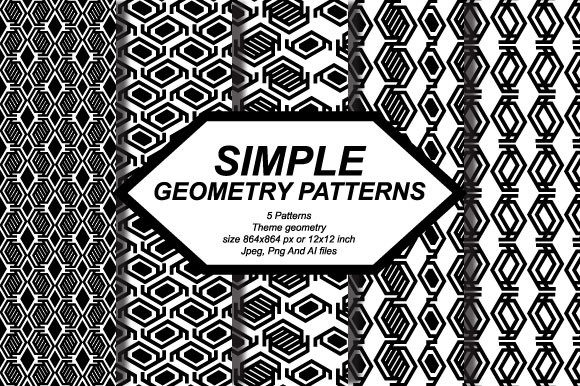
Patterns built from basic shapes hold a quiet power. They are familiar enough to feel comfortable yet flexible enough to spark new ideas. Simple Geometry Patterns represent a focused approach to design that strips away unnecessary complexity while retaining visual interest. The collection described here uses modified hexagons arranged into five distinct designs. Each pattern starts with a familiar geometric tile and introduces subtle changes to the structure, creating objects that feel both structured and organic. The coloring remains intentionally restrained, letting the geometry carry the visual weight. The result is a set of patterns that work across many contexts without overwhelming a composition.
For anyone working with visual content, understanding what these patterns offer and how they fit different workflows can save time and improve results. The following sections explore why different people might care about this particular set, how it can be used, and what to consider before choosing it for a project.
What the collection contains
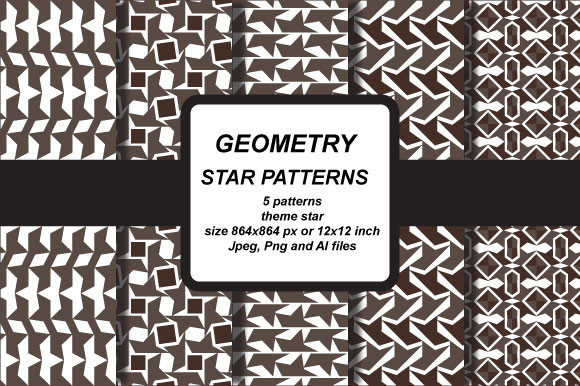
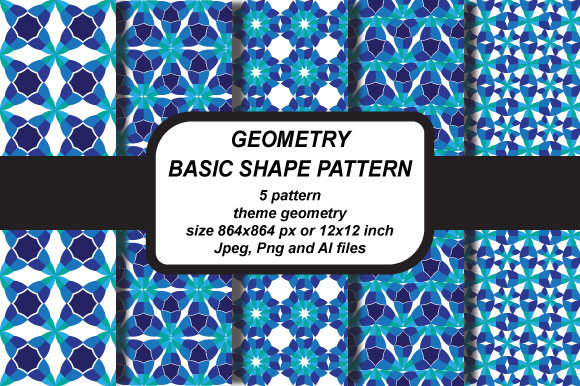
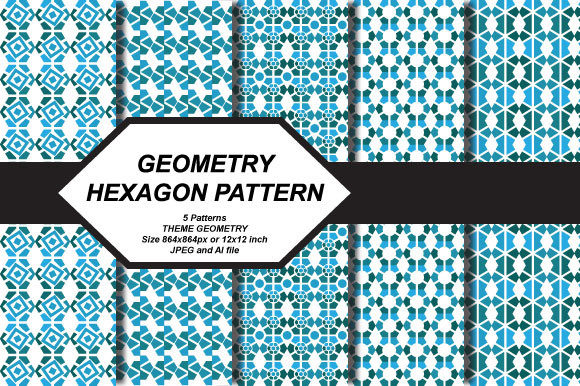
The set includes five distinct pattern designs, each saved in three formats: JPEG, PNG, and an AI file compatible with Adobe Illustrator 8. The resolution is 864 by 864 pixels per file, which provides enough detail for screen-based applications and small to medium print work. The AI vector format means the patterns can be scaled upward without losing quality, which extends their usefulness beyond the native resolution. The modified hexagon approach gives each pattern a recognizable base, but the alterations create variety across the five options. Some patterns may read as interlocking shapes, while others might suggest movement or layering. The simplicity of the coloring keeps the focus on form, making the patterns suitable for pairing with other design elements.
Why the hexagon modification matters
Hexagons appear frequently in nature and design because they pack tightly and create efficient structures. By modifying the hexagon grid, the patterns avoid the predictability of a standard honeycomb while retaining its structural logic. This means the patterns can serve as backgrounds that add texture without competing with foreground content. For someone creating a book cover, for example, a modified hexagon pattern can provide a subtle grid that guides the eye without shouting for attention. For wallpaper, the same pattern can introduce rhythm to a room without making the space feel busy.
Who benefits from these patterns
Different people approach patterns with different priorities. The value of a set like this changes depending on your goals, technical comfort, and the final use of the design. Below are several perspectives that may help you decide whether this collection matches your needs.
Creative professionals and designers often need reliable, flexible assets that work across multiple deliverables. If you design branding, marketing materials, or digital content, having a set of patterns that come in both raster and vector formats streamlines your workflow. You can drop the JPEG into a mockup for a quick client presentation, then use the AI file to adjust colors or scale the pattern for print. The modified hexagon structure offers enough visual distinction to set a project apart from generic stock patterns, while the simple coloring ensures the pattern can adapt to different brand palettes.
Small business owners and entrepreneurs who manage their own marketing may look for design assets that do not require advanced software skills. The JPEG and PNG files are immediately usable in tools like Canva, PowerPoint, or social media schedulers. You can apply a pattern to a product background, a social media post, or a simple flyer without opening a vector editor. The 864x864 pixel size works well for square formats like Instagram posts or profile images. If you later decide to expand your branding, the included AI file gives you a path to customize the pattern without starting from scratch.
Educators and hobbyists might approach these patterns from a learning perspective. Geometry in design teaches principles of repetition, symmetry, and transformation. Studying how a hexagon can be modified to create different visual outcomes can inform your own creative experiments. If you teach art or design, this set could serve as a concrete example of how simple structural changes produce varied results. Hobbyists working on personal projects, such as scrapbooking, digital journaling, or home decor planning, may appreciate patterns that look intentional without requiring hours of setup.
Marketers, bloggers, and content creators often need backgrounds that support text or other media without distracting. A pattern with restrained coloring and clear geometry keeps the focus on headlines, calls to action, or product images. You can use these patterns as slide backgrounds for presentations, as dividers in blog posts, or as texture in video thumbnails. The five designs give you variety while maintaining a consistent visual language, which helps build a cohesive look across your content.
Printers and publishers who work with physical materials may prioritize file format compatibility and resolution. The AI file format is widely supported in professional print workflows, and the vector nature ensures clean output at any size. For book covers, the patterns can be scaled to fit different trim sizes without pixelation. For wall wallpaper, the repeating nature of the geometry allows for seamless coverage if properly tiled. The 864x864 pixel source files provide a solid starting point for proofing, but the vector version is what makes production-ready scaling possible.
Practical examples across use cases
The patterns in this set are probably not the centerpiece of a design. They are more likely to serve as supporting elements that add depth or structure. Here are a few concrete ways different users might integrate them into a project.
A graphic designer working on a series of product labels could use one pattern as a subtle background texture across all variations, changing only the product name and color accents. The consistency of the geometry creates brand recognition, while the simplicity of the pattern avoids clutter on a small label space. The AI file allows the designer to adjust the stroke weight or modify the hexagon shapes further if the client requests changes.
A blogger writing about minimal interior design could use a pattern as the hero image background for a post about wallpaper trends. The pattern itself becomes a visual example of the article content, showing readers how simple geometry can transform a wall. The high-quality JPEG or PNG works directly in a blogging platform without additional editing.
A small business owner selling handmade products online could use one of the patterns as a backdrop for product photography. A consistent geometric background helps products stand out while giving the shop a polished, professional appearance. The five different designs allow for variation between product categories or seasonal promotions.
An educator preparing a lesson on tessellations or pattern design could print the patterns as handouts or display them on a screen. The modified hexagon structure provides a clear example of how altering a base shape changes the overall pattern. Students can compare the five designs and discuss what structural changes produce different visual effects.
How to decide if this set fits your project
Before purchasing or downloading any pattern collection, it helps to match the assets to your specific needs. Here are a few considerations that may help you evaluate this set.
File format compatibility: The set includes JPEG, PNG, and AI files. If your workflow relies on software that does not support AI files, the JPEG and PNG versions still give you high-quality raster options. If you work primarily in vector tools, the AI file gives you full editing control. The compatibility with Illustrator 8 means it opens in most modern vector applications without conversion issues.
Resolution and scale: 864x864 pixels is appropriate for digital use and small print items. If you need a pattern for a large wall surface or a poster, you will want to use the vector AI file to scale up. For social media graphics, blog images, or product mockups, the raster files are ready to use immediately.
Color simplicity: The patterns use simple coloring, which means they are unlikely to clash with other elements in your design. However, if you need patterns with multiple colors or gradients, this set may feel too restrained for your taste. The simple palette works best as a neutral foundation that can be layered with bolder elements.
Number of designs: Five patterns give you variety without overwhelming choice. If your project requires many different patterns for a large collection, you might need to supplement this set with additional assets. For a single project or a small brand, five cohesive designs are often enough to maintain consistency while offering flexibility.
Learning value vs. production value: If you are buying these patterns to study geometry and design principles, the modified hexagon approach provides useful insight into pattern construction. If you are buying them for immediate production use, the formats and resolution meet standard requirements for most digital and small print applications.
Long-term usefulness of the collection
Patterns based on simple geometry tend to age well. Unlike trends that rely on specific colors or decorative flourishes, geometric patterns built on structural principles remain relevant across style shifts. The modified hexagon designs in this set are abstract enough to avoid dating themselves to a particular year or aesthetic movement. This makes the collection a reasonable choice for branding or content that you intend to use over several years. The vector format also contributes to longevity, as you can revisit the files later and adjust colors or scale to fit new formats without losing quality.
For creators who build a library of design assets over time, a set like this adds a reliable option for background textures and structural elements. The five designs cover a range of visual density while staying within the same visual family, so they can be mixed and matched within a single project without creating inconsistency.
Final thoughts on matching the set to your goals
Simple Geometry Patterns offers a focused collection for anyone who needs clean, adaptable geometric designs. The modified hexagon structure provides visual interest without complexity, and the file format variety supports both quick digital use and professional print scaling. Whether you are a designer looking for reliable assets, a business owner creating your own marketing materials, an educator teaching pattern theory, or a hobbyist exploring design for personal projects, the five patterns give you a solid starting point. The combination of raster and vector formats, the restrained coloring, and the thoughtful modification of a familiar geometric shape make this set worth considering for projects that value clarity, structure, and long-term flexibility.
If the patterns align with your current needs, the formats and resolution will serve you well across digital and print contexts. For future projects, the AI files can be revisited and reimagined, extending the value of the collection beyond the initial use.