Memphis Simple Patterns for Creative Projects
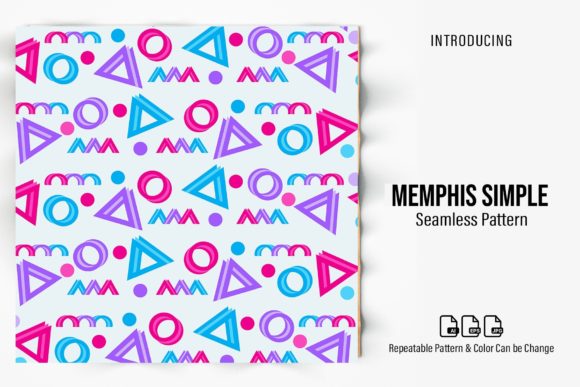
Memphis design has always carried a distinct energy—bold geometric shapes, playful contrasts, and a sense of controlled chaos that feels both nostalgic and fresh. Now imagine that aesthetic refined into a clean, versatile digital paper set. Memphis Simple Patterns brings this iconic style into a practical format for modern creators. Whether you are a seasoned designer or a hobbyist exploring new ideas, this collection offers a straightforward way to add character to any project without overwhelming complexity.
The set includes repeatable patterns at 1000×1000 pixels with 300 dpi resolution, ensuring crisp output for both digital and print use. Files come in EPS, AI, and JPG formats, making them compatible with most design software. You can also change colors easily, which opens up endless customization. This is not just a pack of backgrounds—it is a toolkit for building cohesive, eye-catching visuals across many mediums.
What Makes Memphis Simple Patterns Useful
At its core, this pattern set distills the Memphis movement into simple, repeatable motifs. You get geometric shapes, squiggles, dots, and intersecting lines arranged in balanced compositions. The simplicity is deliberate. It allows you to layer these patterns behind text, combine them with other graphics, or use them as standalone elements without visual noise.
The repeatable nature means you can tile them seamlessly for wallpaper, fabric designs, or large-scale prints. High resolution ensures that even when scaled up, details remain sharp. For digital projects, the JPG format works immediately in programs like Canva or Photoshop, while the AI and EPS files give vector flexibility for resizing and recoloring in Illustrator or Affinity Designer.
Color adjustability is a key advantage. Starting with the default palette, you can shift hues to match brand guidelines, seasonal themes, or personal preference. This turns a single pattern set into a resource that adapts to dozens of looks.
Applications That Go Beyond Basics
Most creators start with greeting cards or gift wrapping, and Memphis Simple Patterns excels there. But the possibilities extend much further. Consider using these patterns as backgrounds for social media graphics—Instagram stories, Facebook posts, or Pinterest pins. The bold shapes grab attention without cluttering your message. Bloggers can incorporate them into featured images or section dividers for a consistent visual brand.
Event planners and party hosts can print accessories such as placemats, cone hats, or cupcake toppers. The patterns read well from a distance, making them ideal for banners and backdrops. Small business owners might use them for product packaging, hang tags, or promotional flyers. Since the patterns are repeatable, you can cover any surface area without awkward seams.
Educators and tutors can create engaging worksheets, flashcards, or classroom decorations. The geometric elements help define spaces on a page without being distracting. Freelancers building client presentations can use subtle pattern overlays to add texture to slides or handouts.
Adapting Patterns for Different Audiences and Goals
How you use Memphis Simple Patterns depends on your audience and medium. For a children’s product line, you might keep colors bright and playful. For a boutique brand, desaturating the palette and using a single pattern as an accent can convey a sophisticated, retro-modern feel. Marketers can rotate patterns across campaigns to maintain visual interest while staying on brand.
Digital product sellers on sites like Etsy or Creative Market can bundle these patterns with mockups or tutorial PDFs. The repeatable format is also ideal for crafting digital scrapbooking kits or planner stickers. Because the files are organized and high resolution, you can offer derivative products with confidence.
For print-on-demand items such as phone cases, mugs, or tote bags, test how patterns wrap around curved surfaces. The linked shapes in Memphis Simple Patterns often flow naturally around objects, reducing awkward cuts. If you run a stationery shop, consider using these patterns as endpapers for journals or as liners for envelopes.
Keeping Results Clear and Consistent
Even with a strong design, clutter can happen if patterns are misused. To keep results effective, use one dominant pattern per project and complement it with solid colors or simple typography. For instance, on a greeting card, let the pattern cover the front while keeping the inside blank or with minimal text. When wrapping gifts, a busy pattern works best on smaller boxes or as a stripe rather than covering large areas.
Scale matters. Printing a small pattern on a large poster can make it look like noise. Use the 1000×1000 pixel size as a starting tile, then enlarge or reduce based on your output. In print, 300 dpi ensures smooth edges. For web, you can save at 72 dpi but keep dimensions generous to avoid pixelation.
Color changes should be intentional. If you need multiple variations for a series, create a mood board first. Limit your palette to three or four hues for cohesion. For digital assets, test patterns on different screen types to ensure contrast remains clear. If your project involves text overlay, choose patterns with enough negative space or place a semi-transparent shape behind the type.
Realistic Inspiration for Everyday Projects
Imagine you are designing a wedding invitation suite. Start with a monochrome version of the pattern on the invite background, add gold foil text, and use a complementary solid for the response card. The repeatable nature means you can scale the pattern differently for the envelope liner and the thank-you card, creating a unified yet varied set.
For a small business launching a spring collection, take the orange and teal from the default patterns and shift them to pale pink and sage green. Use the new palette on hang tags, tissue paper, and a fabric patch for tote bags. Customers will notice the coherent theme without needing to identify why everything fits together.
A lifestyle blogger could use one pattern as a consistent header for weekly posts. By recoloring it to match each season—cool blues in winter, warm corals in summer—the blog maintains visual identity while feeling current. Over time, readers associate that pattern with your brand.
Party planners often need fast turnarounds. Print the patterns on sticker paper for quick labels, or use them as digital backgrounds for virtual event graphics. Because the set includes multiple designs, you can assign different patterns to different areas—one for the photo booth backdrop, another for the menu cards, and a third for the thank-you tags.
Ensuring Originality in Your Work
While Memphis Simple Patterns provide a strong foundation, adding your own twist makes the final piece original. Combine patterns with hand-drawn elements, photography, or custom typography. Layer a pattern at low opacity behind a bold quote for social media. Use the AI or EPS files to rotate or distort shapes slightly, creating a unique arrangement while preserving the overall feel.
For educators creating classroom materials, pair patterns with student artwork or assignment prompts. The patterns can serve as borders or fill areas, letting the original content shine. Hobbyists scrapbooking family memories might print patterns on vellum and layer them over photos for a tactile effect.
Keep a consistent naming and filing system for your patterns if you plan to recolore them often. By storing the original vector files safely, you can revisit any color variation later. This discipline saves time when you need to produce additional materials for an existing project.
Practical Recommendations for Getting Started
Before diving into a large project, test the patterns on your intended medium. Print a small sample at full resolution to check color accuracy and sharpness. For digital use, open the JPG in your software and simulate how it will look behind typical content. Adjust contrast if needed.
If you are new to vector editing, start with the JPG files for simpler tasks like resizing or cropping. As you grow comfortable, explore the AI or EPS files to modify patterns directly. Programs like Affinity Designer or Inkscape (free) can handle these formats, so you do not need expensive software to benefit from the vector options.
When packaging products for sale, consider including a usage guide with examples. Customers appreciate knowing how to change colors in their software or what projects work best. If you sell on platforms that require preview images, create mockups using these patterns (without including the mockup itself in the download) to show potential buyers the finished look.
For collaboration projects, share the patterns with a team via cloud storage with clear file names. The repeatable format ensures that different team members can use the same pattern across print and digital assets without inconsistencies.
Final Thoughts on Creative Direction
Memphis Simple Patterns are more than a design asset—they are a starting point for expression. The clarity of the shapes and the flexibility of the file formats let you focus on the creative part rather than technical limitations. Whether you are making a single greeting card or a full brand identity, these patterns provide a reliable visual language that resonates with contemporary audiences who appreciate both nostalgia and simplicity.
The key is to experiment. Try unexpected color combinations, mix patterns with real textures, or scale them beyond their original size. Because the set is repeatable and resolution-rich, you can push boundaries without worrying about quality. And when a project demands something cohesive, the patterns serve as a steady anchor around which other elements can orbit.
Creative work often thrives within constraints. The defined shapes of Memphis Simple Patterns offer structure, while the adjustable colors and multiple file types give you room to personalize. Approach each project with clarity about your audience and purpose, and let the patterns amplify your message rather than dominate it. That balance is where useful creativity lives.